
Binge drinking causes a person’s blood alcohol content to rise to dangerous levels, which in turn causes the kidneys to lose their function so much, the term for this is acute kidney injury. The amount and frequency of alcohol consumption are primary determinants of its impact on kidney health. Occasional, moderate drinking does not harm kidney function, but heavy drinking can cause significant damage. Regular heavy drinking has been shown to double the risk of developing kidney disease. Alcohol can also disrupt the body’s electrolyte balance, which the kidneys work to regulate.

Long-Term Consequences of Alcohol on Kidney Health
Acetaldehyde, a highly reactive intermediate, promotes lipid peroxidation and mitochondrial dysfunction. Yes, alcohol use can lead to dehydration, temporarily increasing creatinine levels. Excessive alcohol consumption can damage the kidneys and, consequently, elevate creatinine levels. Excessive consumption of several beverages can be harmful to the kidneys.
Low Potassium Alcohol
This can cause the renal pelvis to become swollen or enlarged. You may experience flank pain and pain or difficulty during urination. Treat dehydration by replacing lost fluids and electrolytes. You can have a sports drink that has electrolytes and a carbohydrate solution.
إقرأ أيضا:Porównanie automatów do gier w morospin casino i innych kasynachReduce your regular use of NSAIDs https://ecosoberhouse.com/ and never go over the recommended dosage. It is critical to drink enough fluids to aid the healing process. Alcohol consumption can affect your overall health and consuming excessive amounts can have dangerous results. Increased alcohol consumption can also lead to alcoholism and addiction.
Concerned About Your Kidney Health?
The kidneys are the body’s primary tool for filtering out dangerous substances, so issues affecting the kidneys can quickly affect the rest of the body, potentially causing problems in multiple organs. Though some may be more prone to kidney failure and disease than others, there are still measures you can take to ensure healthy kidney functioning. These hormones does alcohol hurt your kidneys help stimulate red blood cell growth and regulate blood pressure. If you or a loved one has pre-existing kidney issues or are concerned about alcohol consumption and kidney health, it may be time to seek professional help. The events leading to abnormal sodium handling in patients with cirrhosis are complex and controversial, however.
High blood sugar levels can harm the blood vessels in the kidneys. Over time, this can lead to diabetic nephropathy, a condition that drug addiction severely impacts kidney function. Managing blood sugar levels is crucial for those with diabetes. When we talk about the effects of alcohol on our health, our kidneys often take a backseat in the conversation. Although consuming alcohol does directly affect the kidneys, it isn’t always the first concern with rising rates of mental health overpowering the discussion.
إقرأ أيضا:Innovationen im Online-Glücksspiel: Grenzenlose Zugänglichkeit ohne VerifizierungProblems with Acid-Base Balance
While many kidney patients have concerns about not keeping on weight, adding alcohol is not a solution to prevent wight loss. When considering the potassium in alcoholic beverages, look at the mixers and other ingredients. Mixed drinks and malt liquor beverages may be high in potassium. A Bloody Mary, for example, has 374 milligrams of potassium. Our website services,content, and products are for informational purposes only.

Your doctor can give you advice about whether it is safe to consume alcohol while undergoing cancer treatment. Acute kidney damage caused by binge drinking will typically resolve within a few days. The damage can usually be reversed if you stop drinking and allow your kidneys to recover, but it can sometimes cause irreversible damage to the kidneys. The function of the kidneys in the body is to filter harmful substances out of the body. While alcohol is mainly metabolized by the liver, some of these substances are released through the kidneys. The kidneys are two bean-shaped organs that filter out waste from your blood.
How does alcohol abuse lead to chronic kidney disease?
However, the truth is that excessive alcohol consumption can wreak havoc on these vital organs, leading to various complications. Let’s dive into the world of kidney health and its relationship with alcohol. Maintaining adequate hydration habits can influence alcohol’s effect. While alcohol promotes fluid loss, drinking water alongside alcohol can help mitigate some dehydrating effects, potentially reducing the immediate burden on the kidneys. However, proper hydration does not eliminate other harmful effects of chronic or excessive alcohol consumption.
إقرأ أيضا:Le rôle de l’évaluation communautaire dans la perception des services en ligne : le cas des forums d’avis- Some pain relievers, antibiotics, and blood pressure medications have kidney-related side effects, and alcohol can intensify these effects, potentially leading to greater kidney stress or damage.
- “Heavy drinking” is consuming more than 8 drinks per week for women and more than 15 drinks per week for men.
- For example, alcohol causes dehydration, which decreases blood flow to the kidneys and makes it more difficult for them to do their job.
- Over-the-counter pain medicines, such as NSAIDs (nonsteroidal anti-inflammatory drugs) and Analgesics, may alleviate your aches and pains.
- While not directly a kidney condition, pancreatitis can indirectly affect kidney function through widespread inflammation and significant fluid shifts.
How Alcohol Affects Kidney Health Long Term
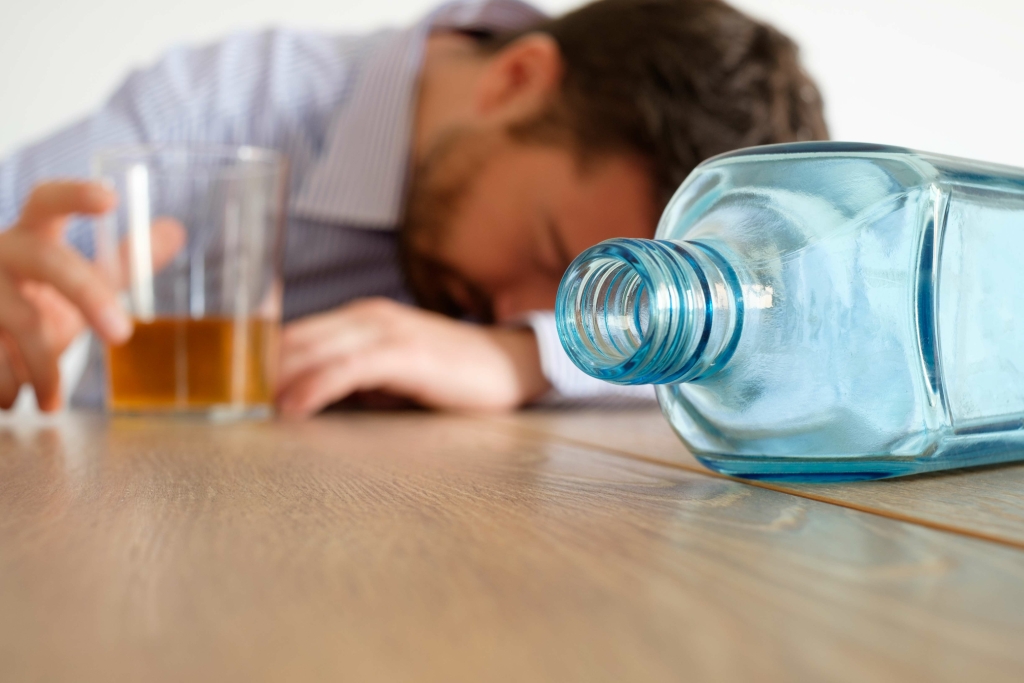
Also, alcohol does not appear to make kidney disease worse or make it more likely that someone with kidney disease will need dialysis. Maintaining a healthy diet and engaging in physical activities can reduce the risk of kidney cancer (31, 32). Staying hydrated also helps your kidneys function optimally. Try Ribbon Checkup’s at-home kidney function test—a simple, reliable way to monitor your kidney health from home. For more on how habits like drinking affect your kidneys, explore our expert-backed blogs. Even if you don’t have diabetes now, alcohol can increase your risk of developing type 2 diabetes, especially when combined with weight gain and a poor diet.